Signs of Hidden Termite Damage Most Homeowners Miss
Termites are often called “silent destroyers” for a reason. Across Alabama and Louisiana, termite damage can continue for months — or even years — before homeowners realize there is a serious problem.
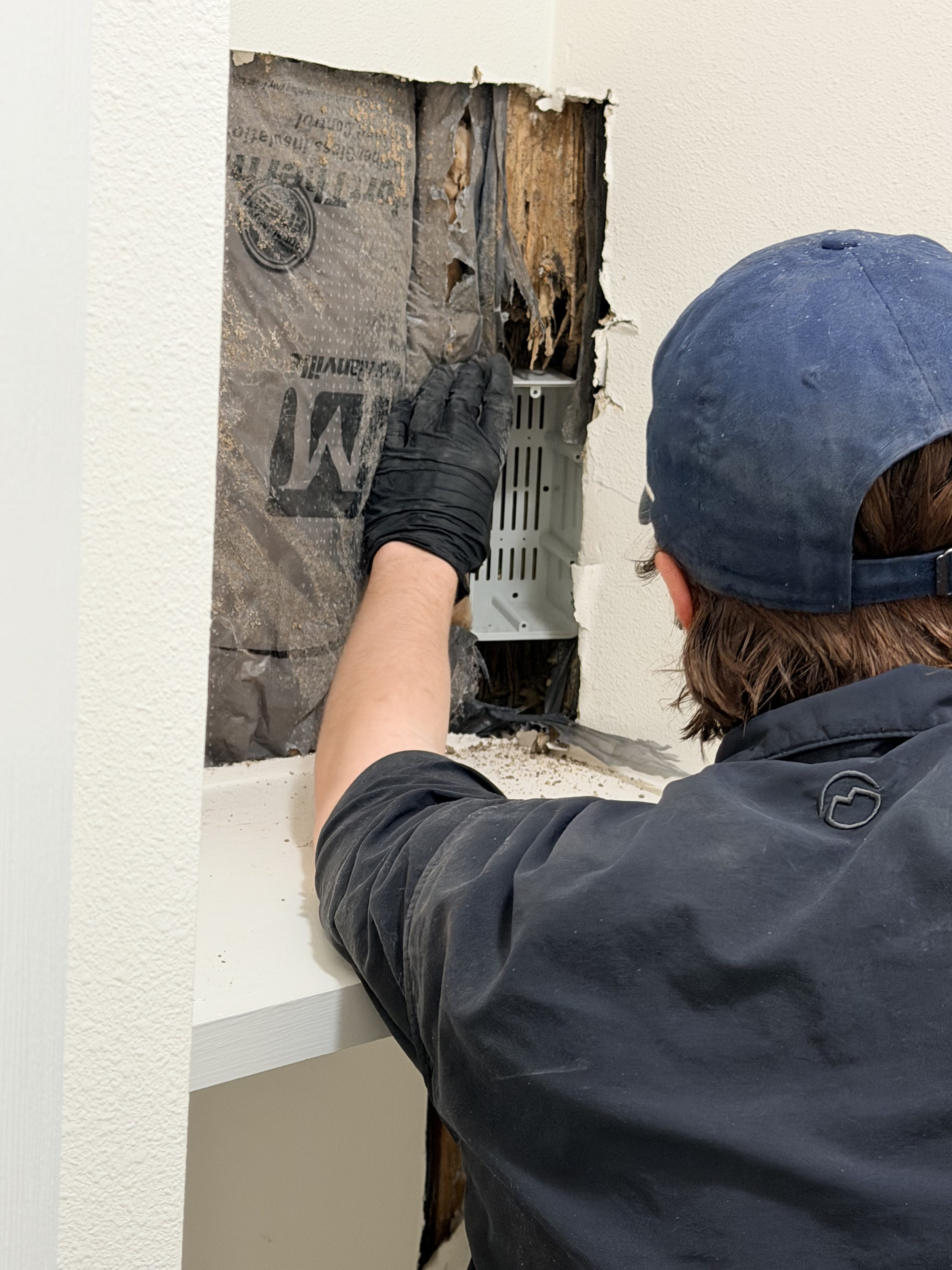
Unlike many other pests, termites usually stay hidden behind walls, beneath flooring, inside crawlspaces, or underneath concrete slabs. By the time visible damage appears, repairs can already become expensive.
At Hilbun Pest Services, we regularly inspect homes throughout the Gulf Coast for signs of termite activity that many homeowners overlook.
Why Hidden Termite Damage Is So Common
Subterranean termites typically travel out of sight while feeding on wood and other cellulose materials inside a structure.
Because they avoid open air and light whenever possible, termite colonies often remain unnoticed while damage slowly spreads throughout the home.
In Gulf Coast climates with high humidity and moisture, termite colonies can stay active for long periods throughout the year.
1. Discarded Wings Near Windows or Doors
One of the earliest warning signs of termite activity is finding piles of discarded wings indoors.
Termite swarmers often appear during spring and early summer, especially after warm rain and humid weather.
Common locations include:
- windowsills
- entry doors
- garages
- baseboards
- light fixtures
Many homeowners mistake termite swarmers for flying ants and ignore the warning signs.
2. Mud Tubes Along Foundations or Walls
Subterranean termites build mud tubes to protect themselves while traveling between the soil and a home.
These tubes may appear:
- along foundations
- inside crawlspaces
- near plumbing penetrations
- behind garages
- under siding
Mud tubes are one of the clearest indicators of active termite activity.
3. Wood That Sounds Hollow
As termites feed inside wood, they often leave behind thin outer layers while hollowing out the interior.
Homeowners may notice:
- hollow-sounding trim
- weak flooring
- soft wood
- damaged baseboards
- sagging areas
In some cases, wood may appear normal on the surface while severe damage exists underneath.
4. Bubbling Paint or Discolored Walls
Moisture created by termite activity can sometimes resemble water damage.
Warning signs may include:
- bubbling paint
- warped walls
- discoloration
- peeling paint
- swollen drywall
These symptoms are sometimes misdiagnosed as simple moisture problems.
5. Doors and Windows Suddenly Becoming Tight
As termites damage wooden supports and framing, structural shifting can occur.
This may cause:
- sticking doors
- hard-to-open windows
- uneven flooring
- shifting trim
Homeowners often assume this is normal settling when termites may actually be involved.
6. Damaged Flooring or Soft Spots
Termites can attack wood beneath flooring systems, causing:
- sagging floors
- soft spots
- loose tiles
- warped flooring
- squeaking areas
In crawlspace homes, this damage may remain hidden for long periods.
7. Increased Moisture in Crawlspaces
Homes throughout Daphne, Fairhope, Mobile, and Baton Rouge commonly experience crawlspace moisture issues that create ideal termite conditions.
Common problems include:
- poor ventilation
- plumbing leaks
- standing water
- damaged vapor barriers
- excessive humidity
Moisture and termites often go hand in hand.
Why Early Detection Matters
The earlier termite activity is identified, the easier it is to limit structural damage and treatment costs.
Unfortunately, many infestations are only discovered during:
- home sales
- renovations
- major repairs
- severe structural damage
Routine termite inspections help identify problems before they become much larger and more expensive.
Protect Your Home From Hidden Termite Damage
The Gulf Coast climate creates ideal conditions for subterranean termites throughout Alabama and Louisiana.
Hilbun Pest Services provides termite inspections and termite protection solutions designed specifically for Gulf Coast homes.
Whether you are seeing warning signs or simply want peace of mind, early termite detection is one of the best ways to protect your property.