In-Ground Bait Stations vs. Liquid Termite Treatments: Which Is Better?
One of the most common questions homeowners ask is whether in-ground bait stations or liquid termite treatments provide better protection against termites. The answer depends on the home’s construction, termite pressure, moisture conditions, and whether active termite activity is already present.
Across Alabama and Louisiana, both termite treatment methods are widely used to protect homes from subterranean termites. Each approach has advantages, limitations, and situations where it may perform better.
At Hilbun Pest Services, we help homeowners choose termite protection systems designed specifically for Gulf Coast conditions.
Why Gulf Coast Homes Need Strong Termite Protection
Homes throughout the Gulf Coast face heavy termite pressure because of:
- warm temperatures
- high humidity
- moisture-rich soil
- mild winters
- frequent rainfall
Subterranean termites remain active for much of the year in areas like Daphne, Fairhope, Mobile, and Baton Rouge.
That makes long-term termite protection extremely important for homeowners.
What Are In-Ground Bait Stations?
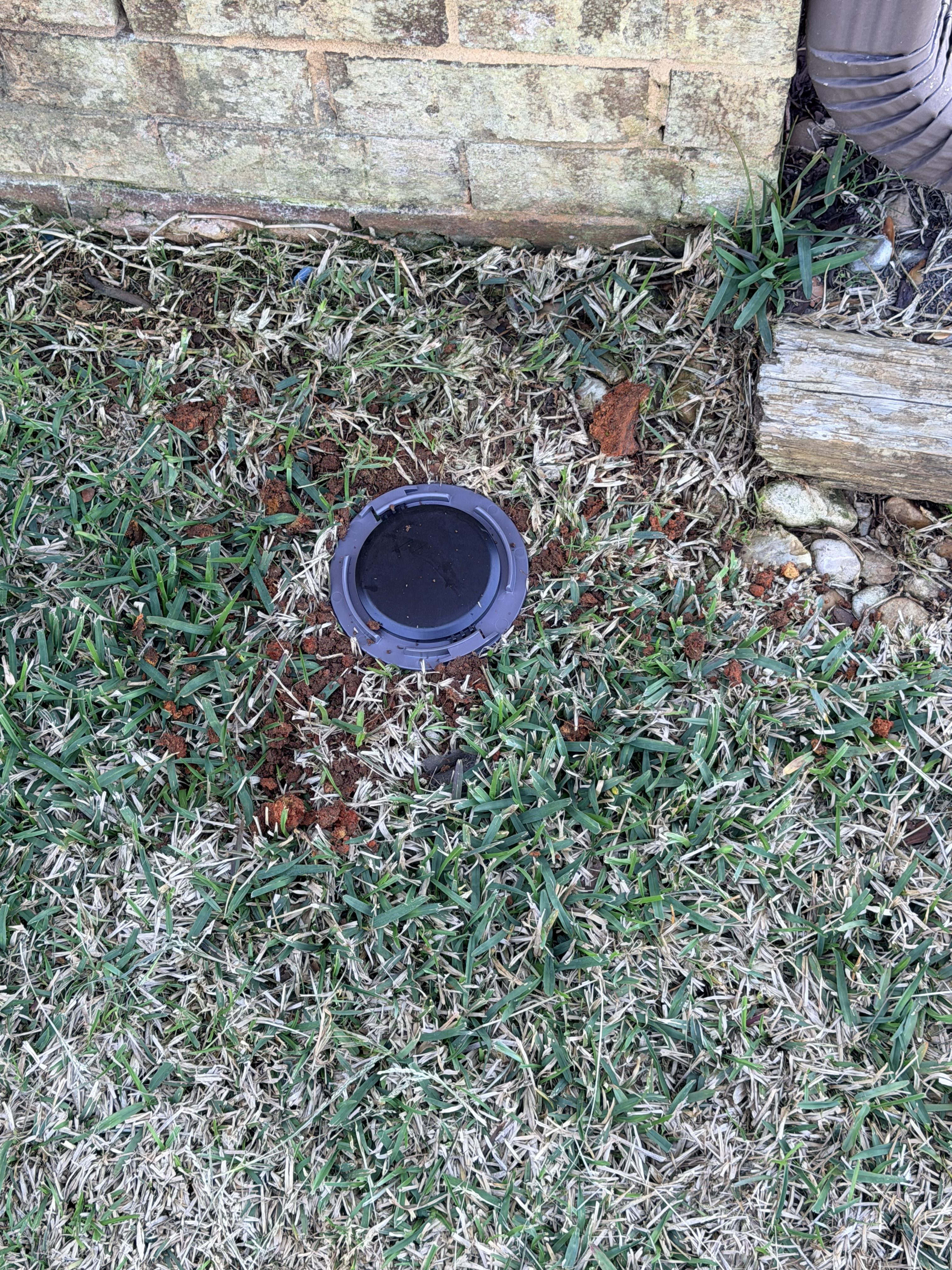
In-ground bait stations are installed directly into the soil around the perimeter of a home.
These stations are designed to:
- monitor termite activity
- attract foraging termites
- eliminate termite colonies over time
- provide ongoing protection and monitoring
Once termites begin feeding on the bait material, they carry it back to the colony where it spreads throughout the population.
Benefits of In-Ground Bait Stations
Many homeowners choose in-ground bait systems because they:
- provide continuous termite monitoring
- require minimal drilling
- offer long-term colony management
- have low visual impact
- work well for preventative protection
Bait systems are often attractive for homeowners looking for ongoing monitoring around the structure.
Potential Limitations of In-Ground Bait Stations
While effective, bait stations may:
- take longer to eliminate active infestations
- depend on termites locating the stations
- require regular professional monitoring
- provide slower results compared to liquid barriers
For severe or aggressive termite infestations, faster treatment methods may sometimes be recommended.
What Is a Liquid Termite Treatment?
Liquid termite treatments involve applying termiticide into the soil around and beneath the structure to create a protective treatment zone.
This may include:
- trenching around foundations
- soil injection
- drilling through slabs
- treating beneath concrete areas
The goal is to create a treated area termites cannot cross without exposure.
Benefits of Liquid Treatments
Liquid termite treatments are popular because they:
- work quickly
- provide broad soil coverage
- stop active infestations effectively
- create long-lasting protection zones
- immediately affect termites traveling through treated soil
For homes with confirmed termite activity, liquid treatments are often considered one of the most aggressive treatment options available.
Potential Limitations of Liquid Treatments
Liquid treatments can sometimes be affected by:
- soil movement
- drainage issues
- landscaping changes
- erosion
- construction modifications
Some homes may also require drilling through slabs, patios, or garages to achieve complete coverage.
Which Termite Treatment Is Better?
There is no one-size-fits-all answer.
In many cases:
- liquid treatments are preferred for active infestations and faster control
- in-ground bait stations are preferred for monitoring and preventative protection
- some homes benefit from combining both systems
The best choice depends on:
- home construction
- crawlspace or slab design
- moisture conditions
- termite history
- level of infestation
- homeowner goals
Why Professional Inspections Matter
Every home presents different termite risks.
Professional inspections help identify:
- active termite activity
- moisture conditions
- structural vulnerabilities
- treatment access points
- conditions that attract termites
This allows treatment plans to be customized specifically for the property.
Common Signs of Termite Activity
Homeowners should watch for:
- mud tubes
- discarded wings
- hollow wood
- bubbling paint
- soft flooring
- tight-fitting doors or windows
- visible termite swarmers
Early treatment is often far less expensive than repairing structural damage later.
Protect Your Home From Gulf Coast Termites
Whether you choose in-ground bait stations, liquid termite treatments, or a combination of both, professional termite protection plays a major role in protecting homes throughout Alabama and Louisiana.
Hilbun Pest Services provides termite inspections and customized termite protection solutions designed specifically for Gulf Coast homes.
Choosing the right termite protection system starts with understanding your home’s specific termite risks and long-term protection needs.