What Attracts Termites to Homes in Alabama and Louisiana?
Across the Gulf Coast, termites are one of the most destructive pests homeowners face. In warm, humid areas like Alabama and Louisiana, termite activity can remain active for much of the year — especially when homes provide the moisture and wood conditions termites love.
Many termite infestations begin long before homeowners ever notice visible signs of damage. Understanding what attracts termites can help reduce your risk and protect your home from costly repairs.
At Hilbun Pest Services, we regularly help homeowners identify the conditions that allow termites to move into homes across the Gulf Coast region.
Why Termites Thrive Along the Gulf Coast
The climate throughout the Gulf Coast creates ideal conditions for subterranean termites because of:
- warm temperatures
- frequent rainfall
- high humidity
- moisture-rich soil
- mild winters
These conditions allow termite colonies to stay active for long periods throughout the year.
Homes in areas like Daphne, Fairhope, Mobile, and Baton Rouge are especially vulnerable when moisture and wood contact issues are present.
1. Excess Moisture Around the Home
Moisture is one of the biggest termite attractants.
Subterranean termites rely on damp environments to survive, making areas with excess moisture highly attractive to colonies.
Common moisture sources include:
- leaking hose bibs
- dripping faucets
- clogged gutters
- poor drainage
- standing water
- leaking roofs
- AC condensation lines
- crawlspace humidity
Homes with moisture problems are significantly more vulnerable to termite activity.
2. Wood-to-Ground Contact
When wooden parts of a home directly touch soil, termites gain easy access to the structure.
Common problem areas include:
- wooden siding touching soil
- fence posts connected to the home
- deck supports
- porch steps
- untreated wood
- wooden lattice
- door frames near soil level
Even small areas of direct wood contact can provide an entry point.
3. Mulch and Landscaping Materials
Mulch does not automatically cause termites, but excessive mulch can hold moisture near the foundation and create ideal conditions for termite activity.
Homeowners should pay attention to:
- thick mulch beds
- wet pine straw
- tree stumps
- buried wood debris
- firewood stacked against the house
Keeping landscaping materials away from the foundation can help reduce risk.
4. Poor Drainage Around the Foundation
Improper drainage can keep soil consistently damp around a home’s foundation.
This often happens because of:
- negative grading
- clogged gutters
- downspouts draining near the home
- standing water after rain
- compacted soil
Persistent moisture near the foundation creates conditions termites prefer.
5. Crawlspace Moisture Problems
Crawlspaces are one of the most common areas for hidden termite activity throughout the Gulf Coast.
Common crawlspace issues include:
- poor ventilation
- standing water
- excessive humidity
- wood debris
- plumbing leaks
- damaged vapor barriers
Because crawlspaces are often dark and humid, termite activity can remain unnoticed for long periods.
6. Cracks in Slabs and Foundations
Subterranean termites can enter homes through extremely small openings.
Common entry points include:
- slab cracks
- expansion joints
- plumbing penetrations
- utility openings
- foundation settling cracks
Many homeowners never see termites directly because colonies often travel beneath slabs and inside walls.
7. Firewood and Stored Lumber
Stacks of firewood or scrap lumber placed against a home can attract termite activity close to the structure.
It is best to:
- store firewood away from the home
- keep wood elevated off the ground
- avoid long-term wood storage near foundations
Warning Signs of Possible Termite Activity
Homeowners should watch for:
- discarded wings
- mud tubes
- soft or damaged wood
- bubbling paint
- hollow-sounding wood
- sagging floors
- tight-fitting doors or windows
In many cases, termite activity remains hidden until damage becomes extensive.
How to Reduce the Risk of Termites
While no home is completely immune to termites, homeowners can lower their risk by:
- reducing moisture problems
- correcting drainage issues
- limiting wood-to-ground contact
- maintaining crawlspaces
- scheduling routine termite inspections
Preventative termite protection is often far less expensive than repairing structural damage later.
Protect Your Home From Gulf Coast Termites
Homes throughout Louisiana and Alabama face heavy termite pressure because of the region’s climate and moisture conditions.
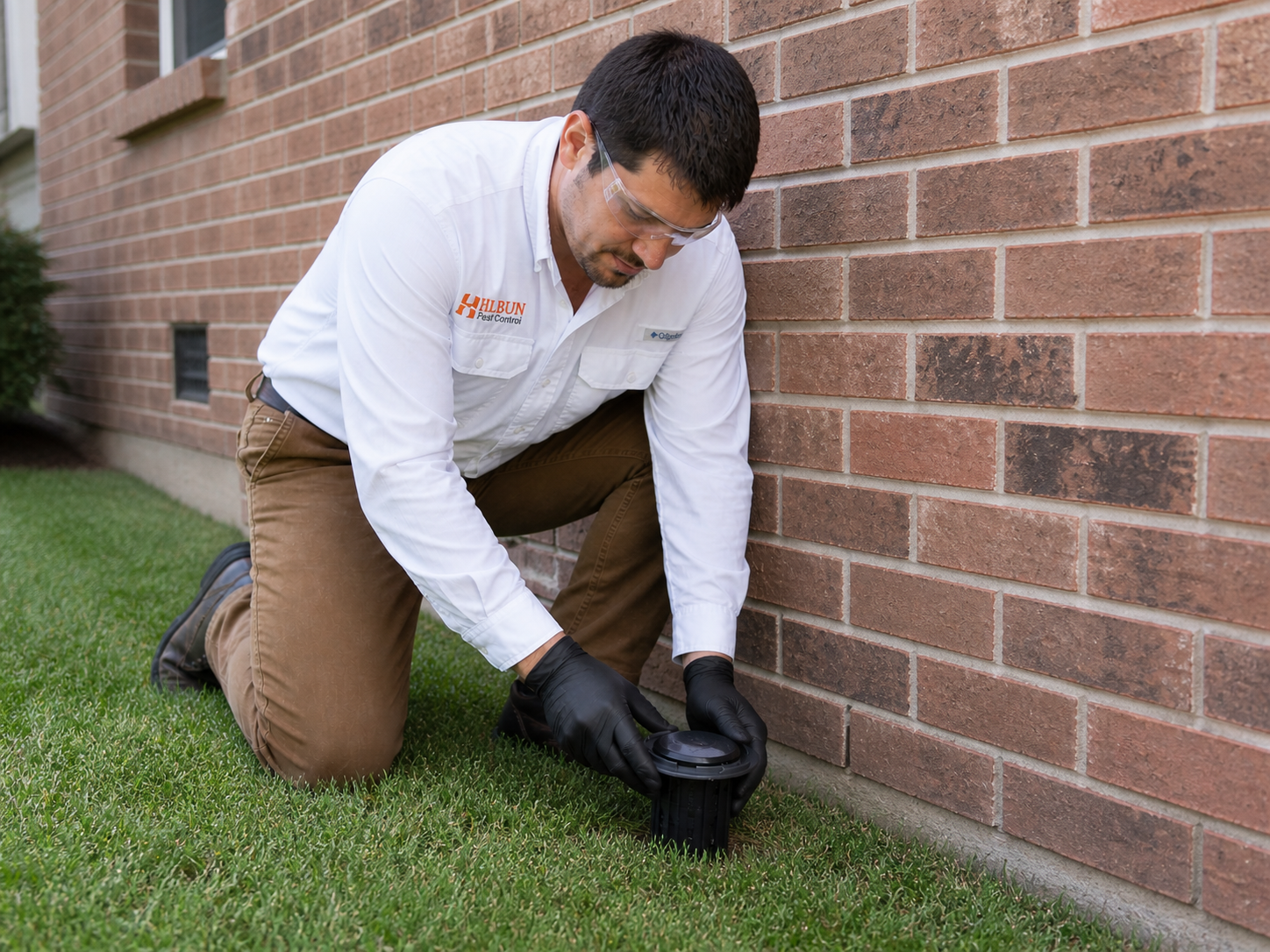
Hilbun Pest Services provides termite inspections and termite protection solutions designed for Gulf Coast homes.
Whether you are concerned about active termite activity or simply want preventative protection, early detection can make all the difference.