Liquid Termite Treatments for Slab and Foundation Homes
Termites often enter homes from the soil around the foundation, where their activity can go unnoticed for long periods of time. A liquid termite treatment creates a protective barrier in the soil surrounding the structure, helping stop subterranean termites before they enter the home. This proven treatment method provides long-lasting termite protection for slab homes and other foundation types.
Professional Liquid Termite Protection
Subterranean termites are one of the most common structural pests across the Gulf Coast. These insects live in the soil and travel underground in search of wood and other cellulose materials. Because they typically remain hidden beneath the ground or inside walls, termite activity often goes unnoticed until a professional inspection is performed.
Liquid termite treatments are one of the most reliable and widely used methods for protecting homes from subterranean termites. By applying a professional termiticide to the soil surrounding a structure, pest control professionals create a treated zone that helps prevent termites from entering the home.
At Hilbun Pest Services, liquid termite treatments are designed to create long-lasting protection around the structure while targeting termite activity where it begins — in the soil beneath and around the foundation.
How Liquid Termite Treatments Work
Liquid termite treatments create a continuous treated zone in the soil surrounding a structure. Because subterranean termites must travel through soil to reach wood in a home, they inevitably encounter the treated area as they attempt to enter the building.
Modern professional termiticides used for soil treatments are non-repellent, meaning termites cannot detect them. As termites move through the treated soil, they come into contact with the product and carry small amounts back to other termites within the colony.
This transfer effect helps the treatment impact not only individual termites but also the larger colony living in the soil.
When applied correctly, a liquid termite barrier helps stop termites before they reach the structure while also reducing activity in the surrounding termite population.
Under favorable conditions, professional liquid termite treatments may provide long-lasting protection that can remain effective for many years and in some cases up to around a decade. Because soil conditions and environmental factors can vary, periodic inspections are still recommended to ensure the protective barrier remains intact.
Our Liquid Termite Treatment Process
Effective termite control requires a detailed approach that ensures the treated soil barrier remains continuous around the entire structure. Our liquid termite treatment process typically includes several important steps.
Property Inspection
Every treatment begins with a thorough inspection of the property. This inspection allows the technician to identify potential termite activity, locate areas where termites may be entering the structure, and determine the best treatment strategy for the home.
During this inspection, technicians look for common signs of termite activity such as mud tubes along foundations, swarmers or discarded wings near windows and doors, and areas where wood may be in contact with soil.
Moisture conditions and landscaping around the structure are also evaluated, since these factors can influence termite activity.
Trenching Around the Foundation
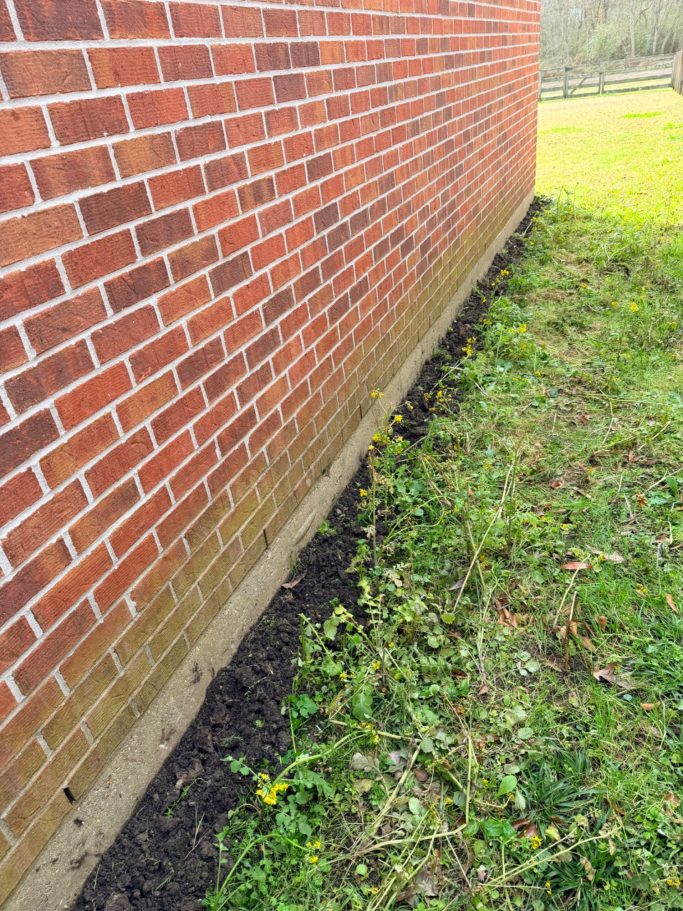
One of the most important components of a liquid termite treatment is trenching around the structure’s foundation.
A narrow trench is carefully dug along the exterior perimeter of the building. Liquid termiticide is then applied to the soil in this trench before the soil is replaced. This creates a treated barrier where termites would normally travel when approaching the structure.
Proper trenching ensures the treatment forms a continuous protective zone along the foundation.
Soil Injection and Slab Drilling
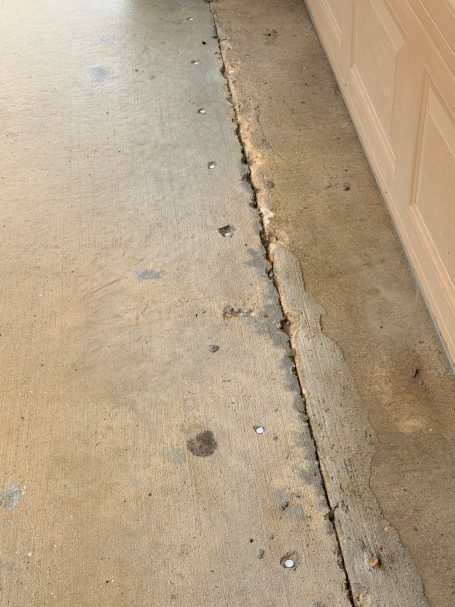
In many homes, parts of the foundation may be covered by concrete surfaces such as driveways, sidewalks, garage floors, or patios. These areas prevent direct access to the soil beneath the slab.
To treat these areas, technicians may drill small treatment holes through the concrete and inject the liquid termiticide into the soil below. This allows the protective barrier to continue beneath these structures so termites cannot bypass the treated zone.
After treatment is complete, the small holes are sealed to restore the appearance of the concrete surface.
Treating Plumbing Penetrations and Entry Points
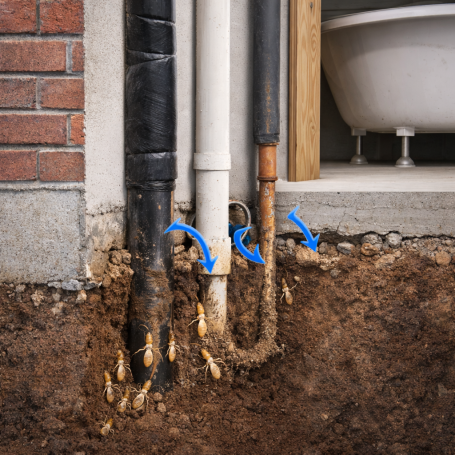
Plumbing penetrations are another important area where termites may attempt to enter a structure. Pipes that pass through the slab can create small openings that termites may exploit when searching for wood inside the home.
During a comprehensive termite treatment, these areas are carefully evaluated to ensure the treated soil barrier remains continuous around plumbing entry points.
Bath Trap Treatment for Slab Homes
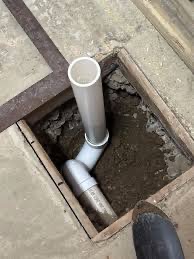
Many homes built on slab foundations contain a plumbing cavity beneath the bathtub known as a bath trap. This area houses the bathtub drain and plumbing lines that connect to the sewer system below the slab.
Because the bath trap connects directly to the soil beneath the foundation, it can sometimes become a hidden entry point for subterranean termites.
When performing a comprehensive liquid termite treatment, this area may require special attention to ensure the protective soil barrier remains complete.
If the bath trap is accessible, technicians may inspect the area behind the bathtub or in an adjacent wall to locate the plumbing cavity. In some homes, a small inspection opening may be created in the wall behind the bathtub to access the trap area.
The soil within the bath trap cavity can then be treated with liquid termiticide to protect the plumbing penetration and surrounding soil. If necessary, debris or construction materials within the cavity may be removed to allow the treatment to properly reach the soil.
After treatment, an access panel may be installed so the area can be inspected in the future without cutting into the wall again.
Treating bath traps helps ensure termites cannot bypass the protective soil barrier through hidden plumbing cavities beneath the slab.
State regulations governing termite treatments require pest control professionals to treat structural voids, cracks, and other areas where subterranean termites may enter a building. For example, the Alabama Administrative Code Rule 80-10-9-.20 (Termite Treatment Requirements) requires treatment of cracks, voids, and structural openings where termites may penetrate a structure. Similarly, the Louisiana Administrative Code Title 7, Part XXV, Section 141 (Minimum Specifications for Termite Control Work) includes specific provisions requiring access and treatment of bath trap areas and plumbing penetrations beneath slab homes.
Because plumbing lines pass through the slab and connect directly to the soil beneath the foundation, these areas can become hidden entry points for termites. Treating plumbing penetrations and bath trap areas helps ensure the protective soil barrier remains continuous around the structure.
Benefits of Liquid Termite Treatments
Liquid termite treatments remain one of the most effective and widely used methods of termite protection for several reasons.
Proven Termite Control Method
Liquid termite barriers have been used by pest control professionals for decades and continue to provide reliable protection against subterranean termites.
Stops Termites Before They Enter the Structure
Because the treatment is applied to the soil surrounding the structure, termites encounter the treated area before reaching the wood inside the home.
Long-Lasting Protection
Professional soil treatments may remain active for many years when applied properly and when the treated soil remains undisturbed.
Effective for Active or Preventative Treatments
Liquid treatments can be used to address active termite infestations or as a preventative measure to help protect homes in termite-prone regions.
Signs You May Need Termite Treatment
Termites often remain hidden, which means many homeowners do not realize there is a problem until activity becomes visible.
Common warning signs include:
- Mud tubes along foundations or walls
- Swarms of winged termites near windows or lights
- Piles of discarded wings
- Soft or hollow wood
- Bubbling paint or small holes in wooden surfaces
If any of these signs are present, a professional termite inspection is recommended to determine whether treatment is needed.
Even if no visible signs are present, preventative termite protection can help reduce the risk of future infestations.
Liquid Termite Treatments and Other Termite Control Options
There are several approaches to termite control, and the best option can depend on the structure, soil conditions, and termite activity levels.
Liquid termite treatments focus on creating a protective soil barrier around the home, while termite bait systems work by monitoring and gradually eliminating termite colonies through bait consumption.
In some situations, pest control professionals may recommend combining both strategies to provide additional monitoring and protection.
Understanding the types of termites present in the area can also help determine which treatment approach is most effective.
Why Choose Hilbun Pest Services
Hilbun Pest Services provides professional termite inspections and treatments designed to help protect homes from termite activity.
Our approach focuses on careful inspections, proper application methods, and attention to detail to ensure the treated soil barrier remains continuous around the structure.
Homeowners choose Hilbun Pest Services because we provide:
- Thorough termite inspections
- Professional liquid termite treatments
- Careful treatment of plumbing penetrations and slab areas
- Honest recommendations based on the needs of the property
- Reliable service from a locally operated company
Protecting homes from termites requires experience, knowledge of termite behavior, and proper treatment techniques.
Termite Information & Treatment Resources
Explore our termite guides and learn more about termite species, inspections, and treatment options available for homes throughout Louisiana and Alabama.
Termite Control Services
Professional termite protection designed to help prevent termite activity around your home.
→ Learn More
Termite Main Page
How Hilbun Pest Control perfroms termite treatments
→ Learn More
Termite Bait Systems
Monitoring and bait stations designed to help eliminate termite colonies.
→ Learn More
Termite Inspections
Why regular termite inspections are important for identifying termite activity early.
→ Learn More
Termite Species Guide
Learn about subterranean termites, drywood termites, and other termite species found across the Gulf Coast.
→ Learn More
Schedule a Termite Inspection
If you suspect termite activity or want to take preventative steps to protect your home, scheduling a professional termite inspection is the best place to start.
Hilbun Pest Services provides inspections and liquid termite treatments designed to help protect homes from subterranean termites and reduce the risk of future infestations.
Hilbun Pest Services
📞 251-206-1245
🌐 https://www.hilbunpestservices.com